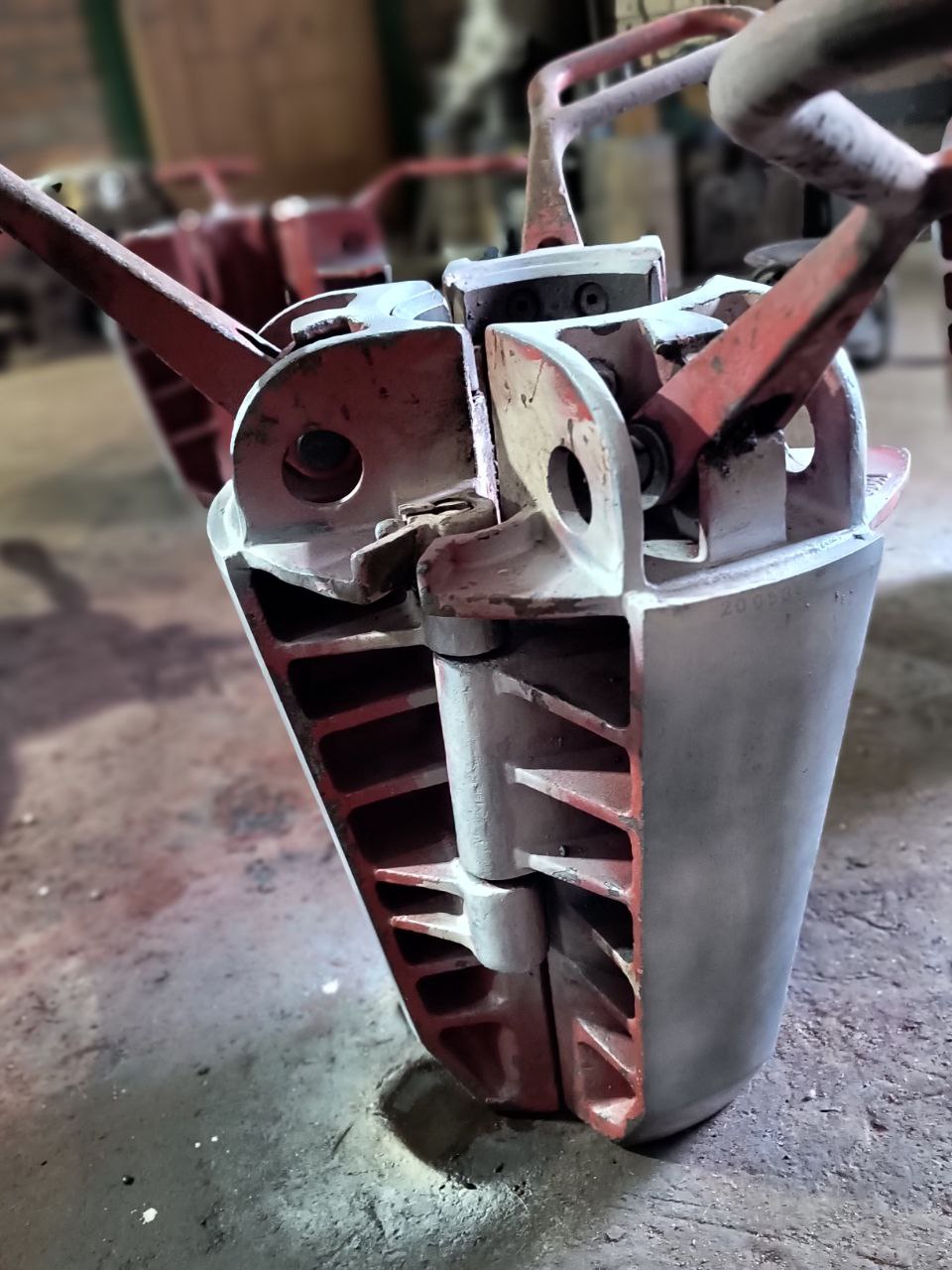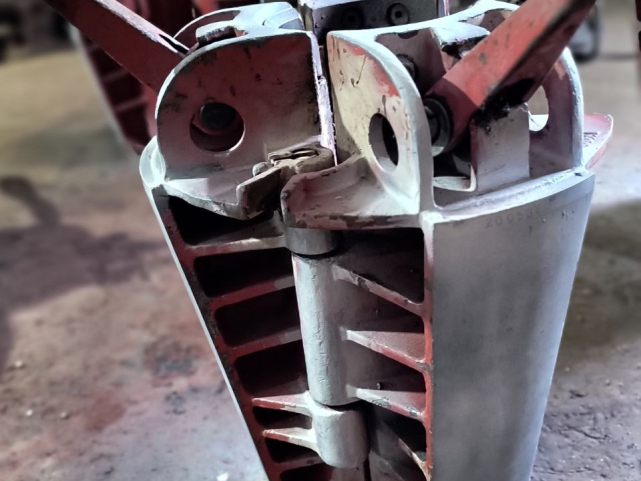
Non-destructive testing (NDT) of rotor hand wedges: what happens in practice?
To ensure safe and reliable operation of equipment, every component must undergo thorough inspection. Rotor hand wedges are no exception, as they play a critical role in securing and stabilizing structural assemblies. Below, we outline the key stages of this non-destructive testing process:
 Surface preparation. The wedge surface is cleaned of dirt, grease, and corrosion.
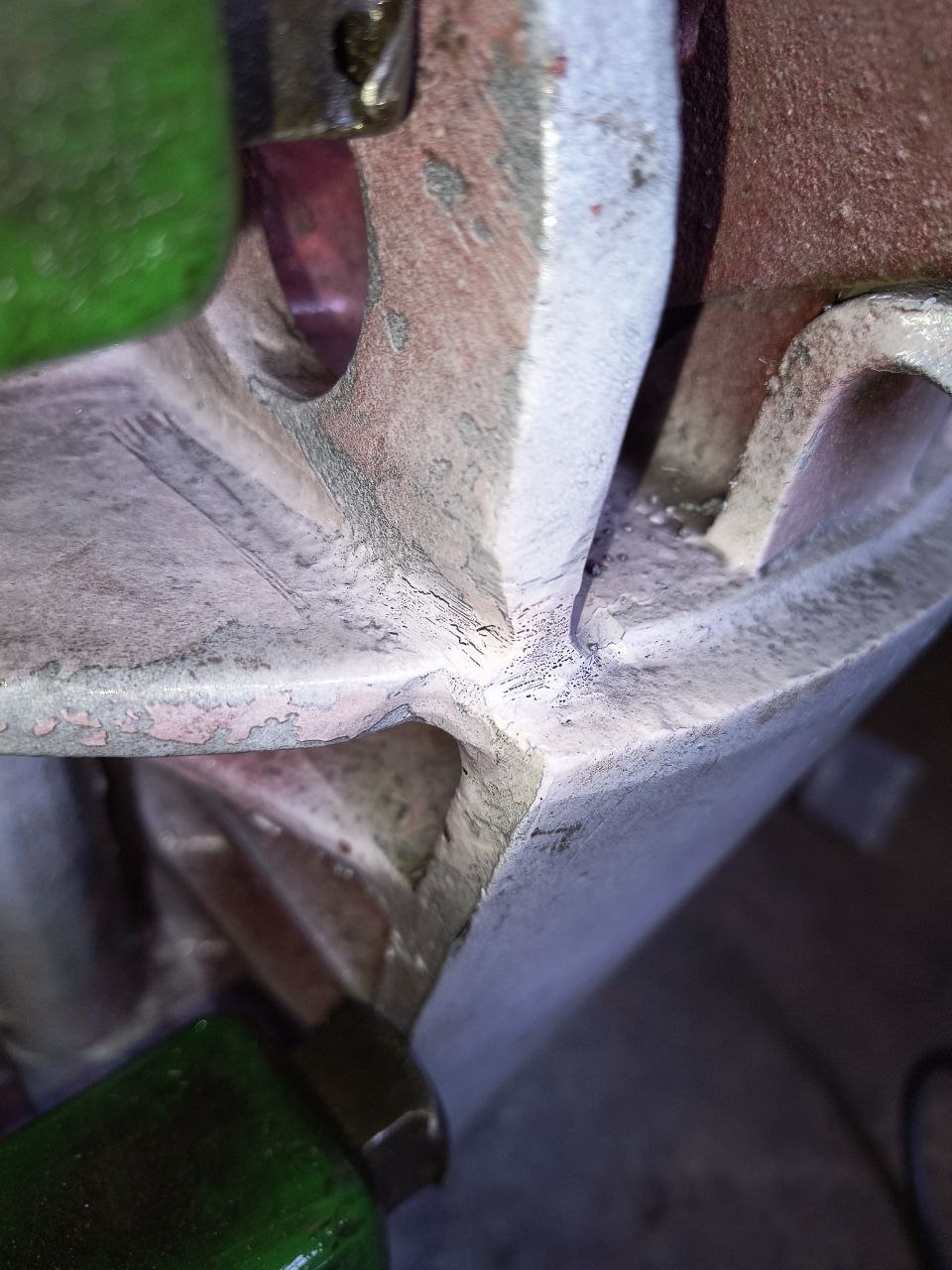
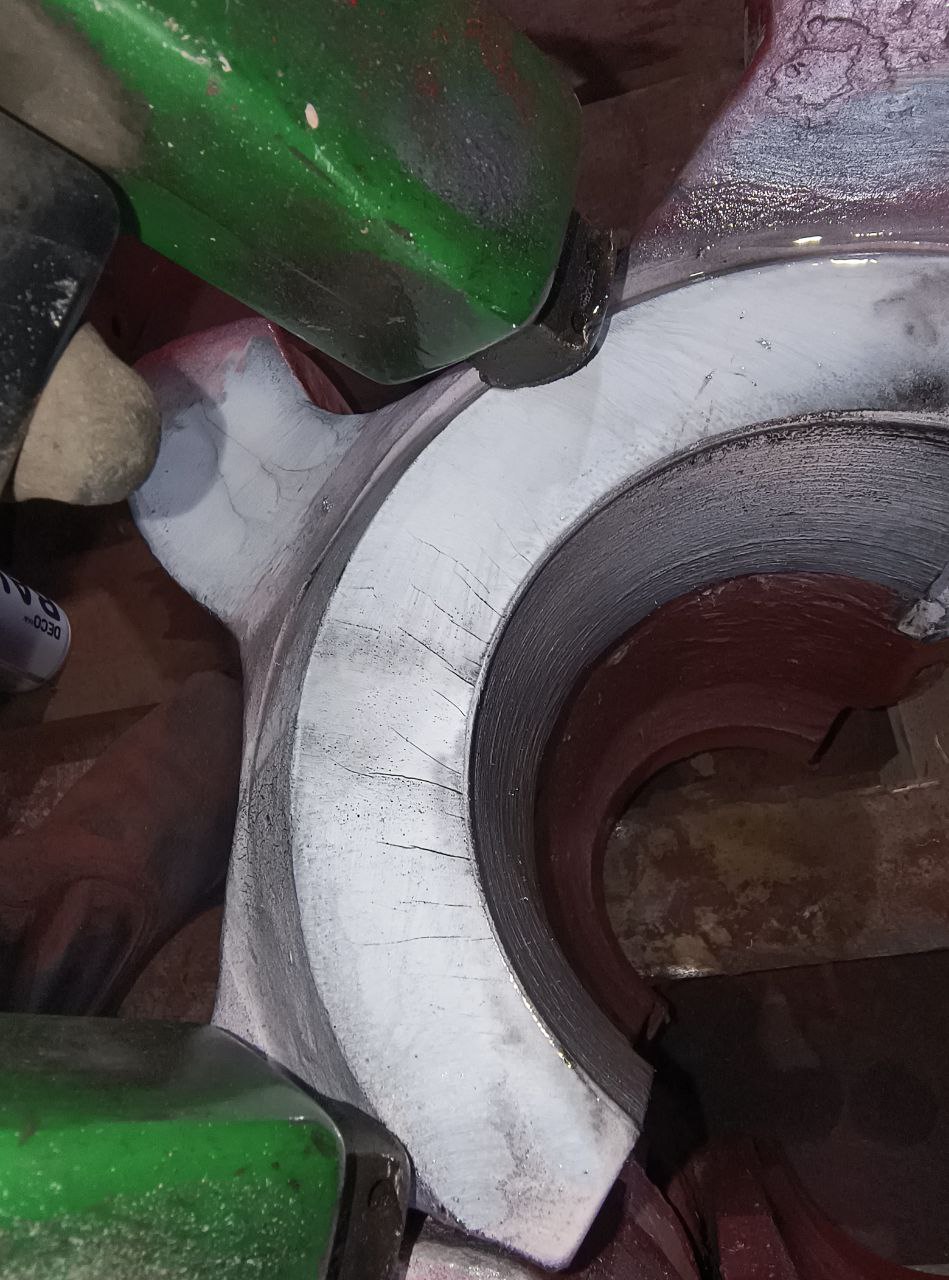
Visually-optical inspection. A qualified inspector carefully examines the surface for cracks, dents, wear, and mechanical damage. This is fundamental and highly important stage of inspection.
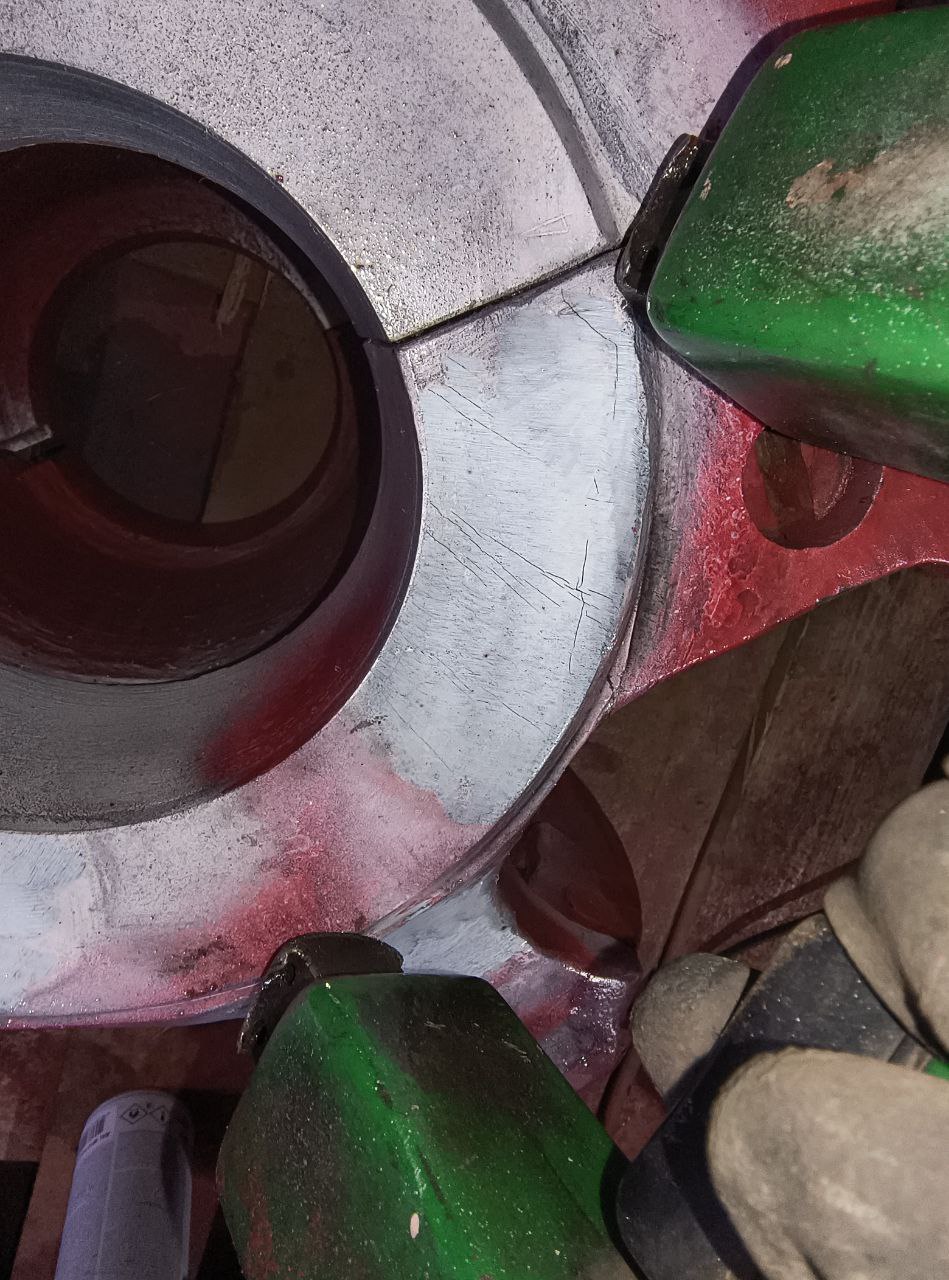
Magnetic particle method is applied to detect hidden surface and near-surface defects in ferromagnetic materials.
Evaluation and documentation of results. All detected indications are recorded, photographed, and documented in an inspection report in accordance with applicable standards.
Fitness-for-service assessment. Based on the NDT results, a decision is made whether:
- the component is suitable for continued operation.
- repair or replacement is required,
In this case, the component was deemed fit for further use.
Why is this important?
Timely inspection of rotor wedges helps prevent emergency failures, extends equipment service life, and ensures the overall safety and reliability of the system.